
Leather Garment Manufacturing for Brands and Private Labels
Vixen Leather develops and manufactures leather apparel for brands, wholesalers, and private-label businesses. Based in Sialkot, Pakistan, we work with buyers to translate garment designs into production-ready specifications, considering leather selection, pattern development, panel construction, lining, hardware, and finishing from the early stages of a project.
Leather garments require a different approach to development than conventional fabric clothing. The material has its own thickness, surface character, flexibility, and natural variation, all of which influence how a garment fits, hangs, and performs during wear.
Leather Garment Range
We develop different types of leather apparel according to the buyer’s design, material preferences, and production requirements.


Garment Development Begins with the Design
A garment’s appearance depends on how its pattern, material, and individual components work together. A design that looks straightforward in a sketch may require careful adjustments when translated into leather, particularly around curved seams, fitted sections, shoulders, sleeves, and areas where multiple panels meet.
Development begins with the information available from the buyer. This may include a technical pack, measurement chart, reference garment, photographs, drawings, or an initial concept. The information is reviewed to establish the intended fit, construction details, material requirements, and components needed for sampling.
Important development considerations include:
- Garment silhouette, ease, and intended fit.
- Body, sleeve, collar, cuff, and hem construction.
- Panel dimensions, seam positions, and joining methods.
- Leather thickness, flexibility, surface finish, and colour.
- Lining, pocket bags, interlinings, and supporting materials.
- Zippers, snaps, buttons, buckles, and other hardware.
- Branding, labels, and finishing details.
Defining these elements early gives the sample a clear reference point and makes revisions easier to communicate.

Leather Selection for Apparel
Leather affects both the visual character and the construction of a garment. A soft, lightweight material may suit a different silhouette from a firmer leather intended to hold a more structured shape. Surface texture, thickness, flexibility, and colour also influence the final appearance.
Material selection should therefore be based on the garment’s design and intended use rather than colour alone.
Leather type and surface character
Depending on availability and the approved specification, development may involve different leather types and finishes. The selection should consider the desired appearance, handling characteristics, durability requirements, and target price position.
Thickness and flexibility
Leather that is too stiff for a particular pattern can restrict movement or affect how sleeves and body panels fall. Material thickness must be considered alongside seam allowances, garment weight, construction methods, and the intended silhouette.
Colour consistency and natural variation
Natural leather can vary in grain, markings, and shade. These characteristics need to be considered when cutting multiple panels for one garment or producing a collection of garments in the same colour. Material selection and cutting plans should reflect the buyer’s approved expectations for appearance and variation.
Lining and internal components
Lining influences the feel of a garment, the way it moves over other clothing, and the finish of its interior. Sleeve lining, body lining, pocket construction, and any supporting materials must be compatible with the outer leather and the intended garment design.
Customization and Private-Label Production
Brands often need a garment to reflect their own design language rather than an off-the-shelf product. Customization can involve changes to the silhouette, measurements, leather selection, colour, lining, pockets, hardware, stitching, labels, and packaging.
Where required and technically feasible, branding options may include embossed or debossed logos, branded labels, custom hardware, and other agreed details.
The production specification should document the selected materials, measurements, construction details, approved components, branding artwork, and finishing requirements. This helps keep sampling and bulk production aligned with the same reference.

Custom Designs & Tech Packs

Leather Selection & Inspection

Pattern development & Cutting
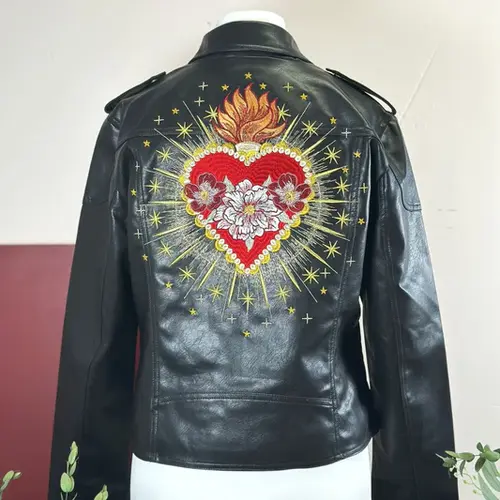
Custom Embroidery
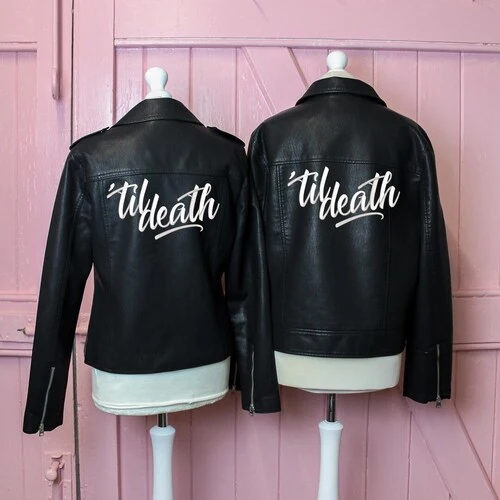
Custom Printing

Precision Stitching & Assembly

Quality Inspection & Testing

Brand Labels, Hang Tags & Packaging
Pattern Development and Panel Construction
Pattern development determines how the separate pieces of leather form the intended garment. Unlike conventional fabric, leather does not necessarily respond to pressing, stretching, or shaping in the same way. Pattern decisions must account for the material being used.
The pattern is developed around the approved measurements, silhouette, construction details, and intended fit. Particular attention may be required at armholes, shoulders, sleeve heads, side seams, collars, cuffs, and other areas where shape and movement depend on the relationship between adjoining panels.
Panel layout and cutting
Leather hides can contain natural differences in grain, surface appearance, thickness, and usable area. Cutting plans must balance material utilization with the appearance and construction requirements of the garment.
For designs with visible front panels, matched sections, or multiple pieces cut from different areas of a hide, the placement of each component can affect the consistency of the finished product.
Seam placement and assembly
Seams influence the appearance, flexibility, and strength of a garment. Their position, allowance, stitch line, and interaction with the leather thickness should be considered during development. Areas that experience repeated movement may require particular attention to construction and reinforcement.
Fit and grading
A sample allows the buyer to review the relationship between the pattern and the finished garment. Fit adjustments may involve body length, chest ease, shoulder width, sleeve length, armhole shape, collar dimensions, or other measurements.
When a style is intended for multiple sizes, grading must preserve the design’s proportions and fit characteristics rather than simply increasing every measurement by the same amount.
Sampling and Approval
A pre-production sample provides an opportunity to evaluate the garment before a bulk order proceeds. It allows the buyer and manufacturer to review the actual combination of leather, pattern, lining, components, and construction.
During sample review, relevant checks may include:
- Finished measurements and overall silhouette.
- Shoulder, armhole, sleeve, and body fit.
- Panel alignment and seam appearance.
- Leather colour, surface character, and material suitability.
- Zipper, button, snap, pocket, and other component placement.
- Lining fit, internal finishing, and comfort.
- Branding position and final appearance.
Any required revisions should be documented and reviewed against the original brief. Once the sample and production specifications are approved, they provide the basis for the bulk order.
Production Quality and Garment Inspection
Leather garment quality depends on more than the appearance of the outer surface. Pattern accuracy, stitching, component attachment, lining assembly, and finishing all contribute to the finished product.
Inspection criteria should reflect the style and the buyer’s specifications. Depending on the garment, checks may cover leather condition, panel dimensions, seam alignment, stitch consistency, measurements, zipper function, pocket construction, lining, hardware, and visible finishing defects.
For repeat orders, the approved sample and documented specifications provide a reference for evaluating consistency. Any specific performance, safety, or compliance requirements should be agreed and verified for the relevant product rather than assumed for all leather apparel.

Planning a Leather Garment Order
A clear product brief helps establish the most appropriate development route. Buyers can begin with a technical pack or reference sample, or discuss a concept that requires further specification.
For an initial review, provide as much of the following information as is available:
- Garment type and intended market.
- Reference photographs, drawings, or technical pack.
- Size range and measurement specifications.
- Preferred leather type, thickness, colour, and finish.
- Lining, hardware, and branding requirements.
- Estimated order quantity and colour breakdown.
- Sampling needs and expected delivery schedule.
Minimum quantities, sample costs, production lead times, and delivery terms are confirmed according to the project requirements.
Global Export & Shipping Support
Vixen Leather is a seasoned leather garments exporter based in Sialkot, Pakistan, serving clients across the USA, Europe, the Middle East, and Asia. We provide flexible shipping options, including FOB, CIF, and others, and ensure all leather products are securely packaged to protect them during transit, making us a reliable partner for international B2B supply chains
Industries We Serve
Our B2B-focused approach ensures long-term partnerships and consistent supply. We serve to
- Fashion & apparel brands
- Motorcycle & biker apparel brands
- Corporate & uniform suppliers
- Retail chains & wholesalers
- Private labels & startups
Develop Your Next Leather Apparel Collection
Whether you are creating a new jacket design, developing a coordinated apparel collection, or sourcing a private-label garment, the process begins with a clear understanding of the intended product.
Share your design brief, reference sample, or technical specifications with Vixen Leather to discuss material suitability, pattern development, construction options, and sampling requirements.
Contact Vixen Leather to discuss your leather garment project.