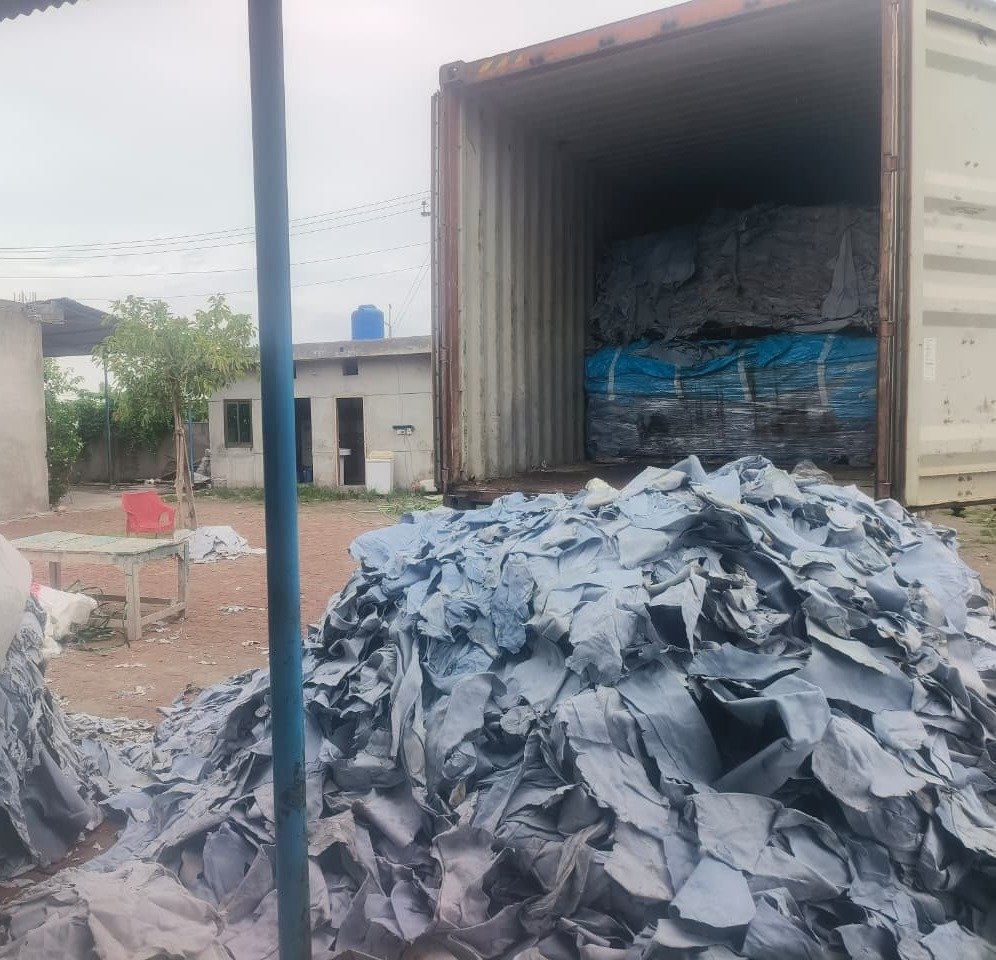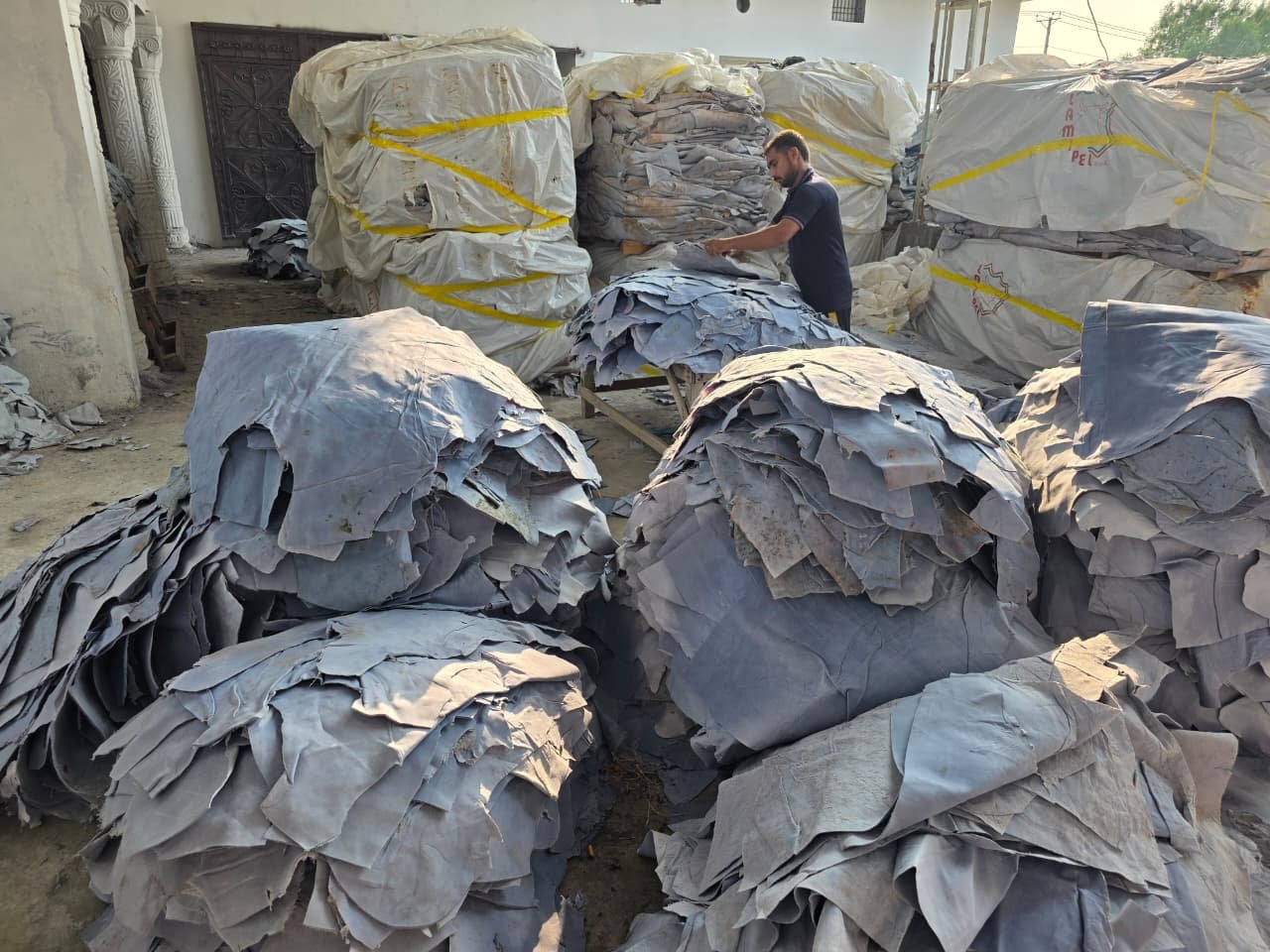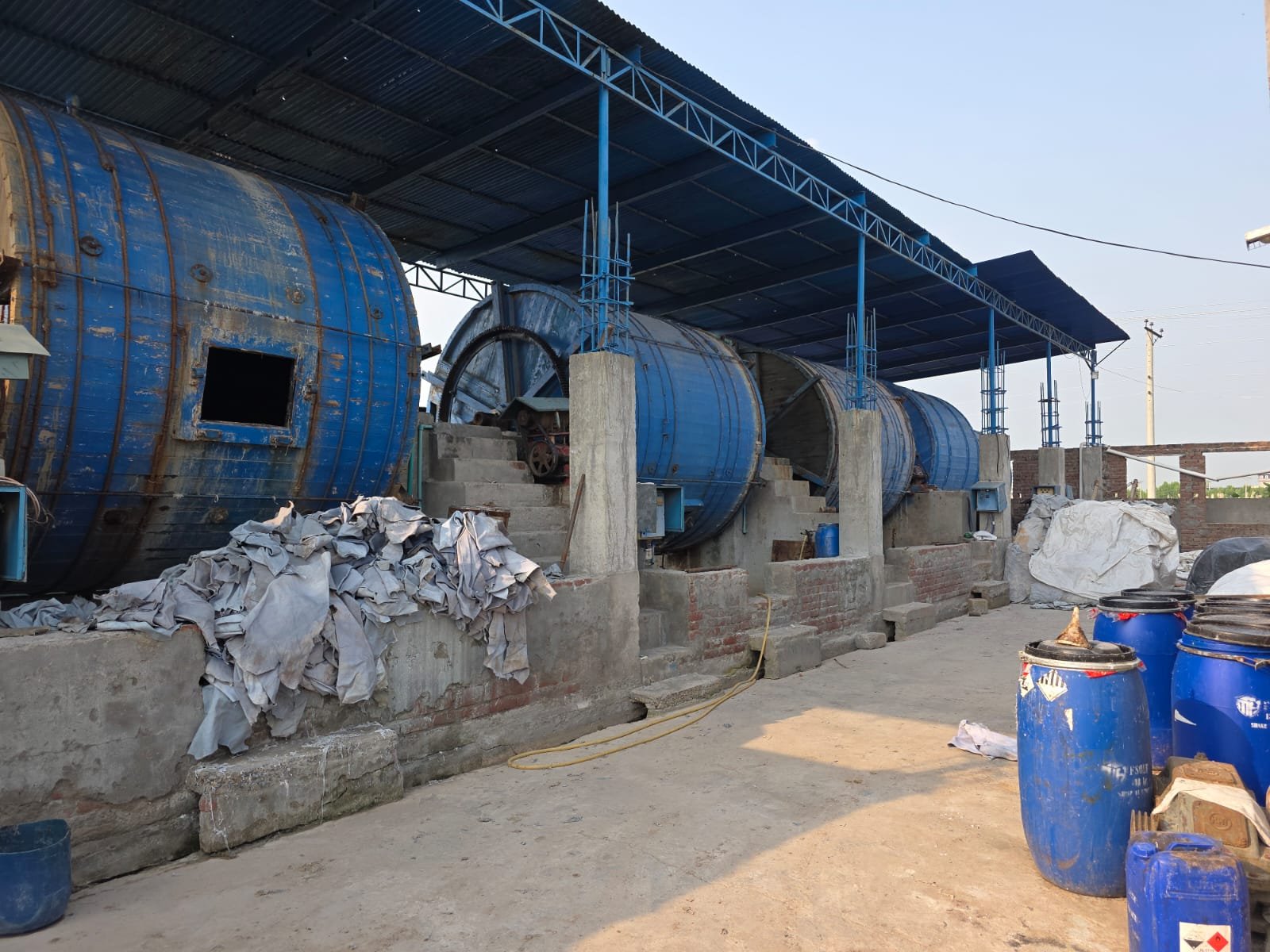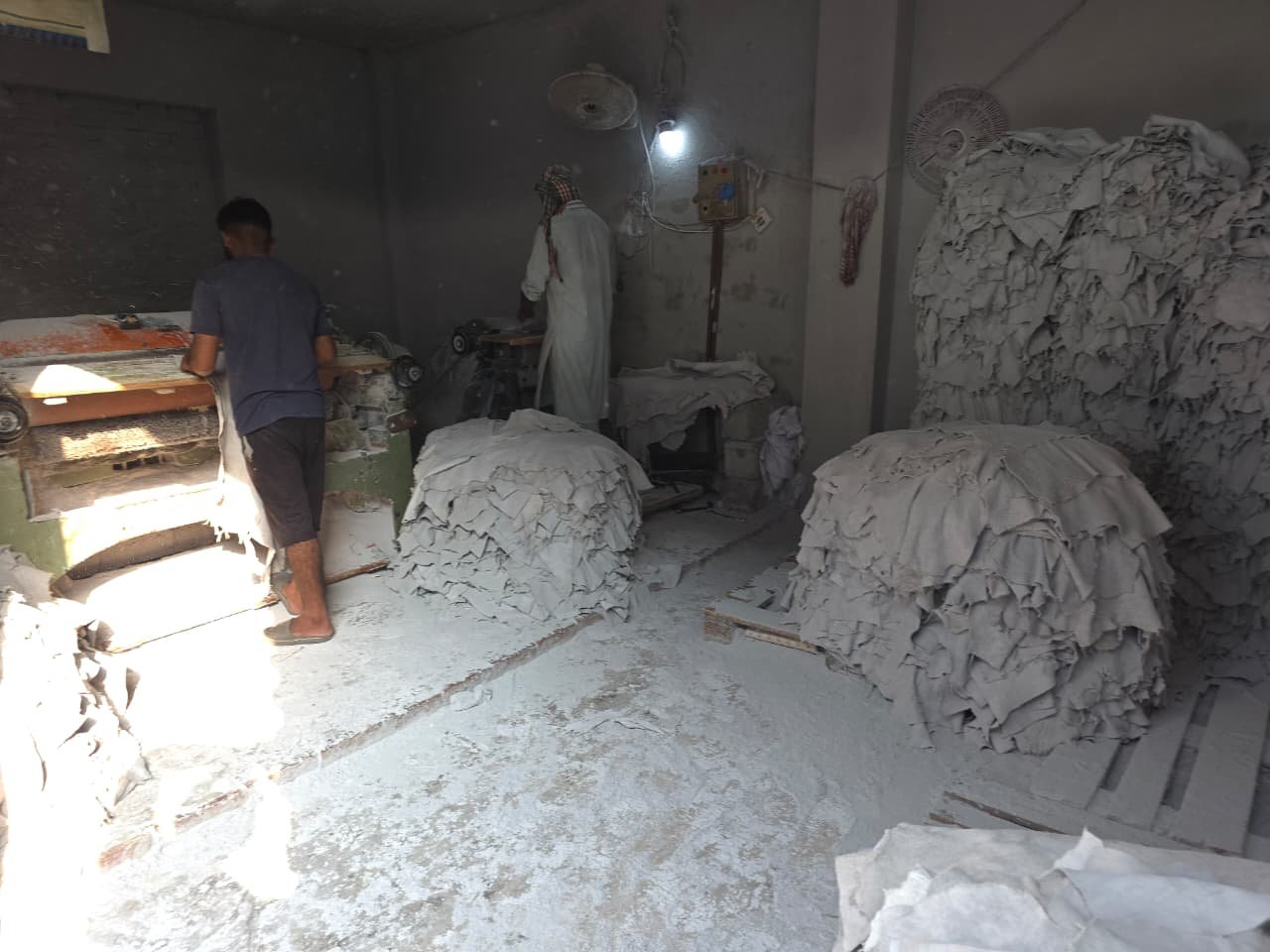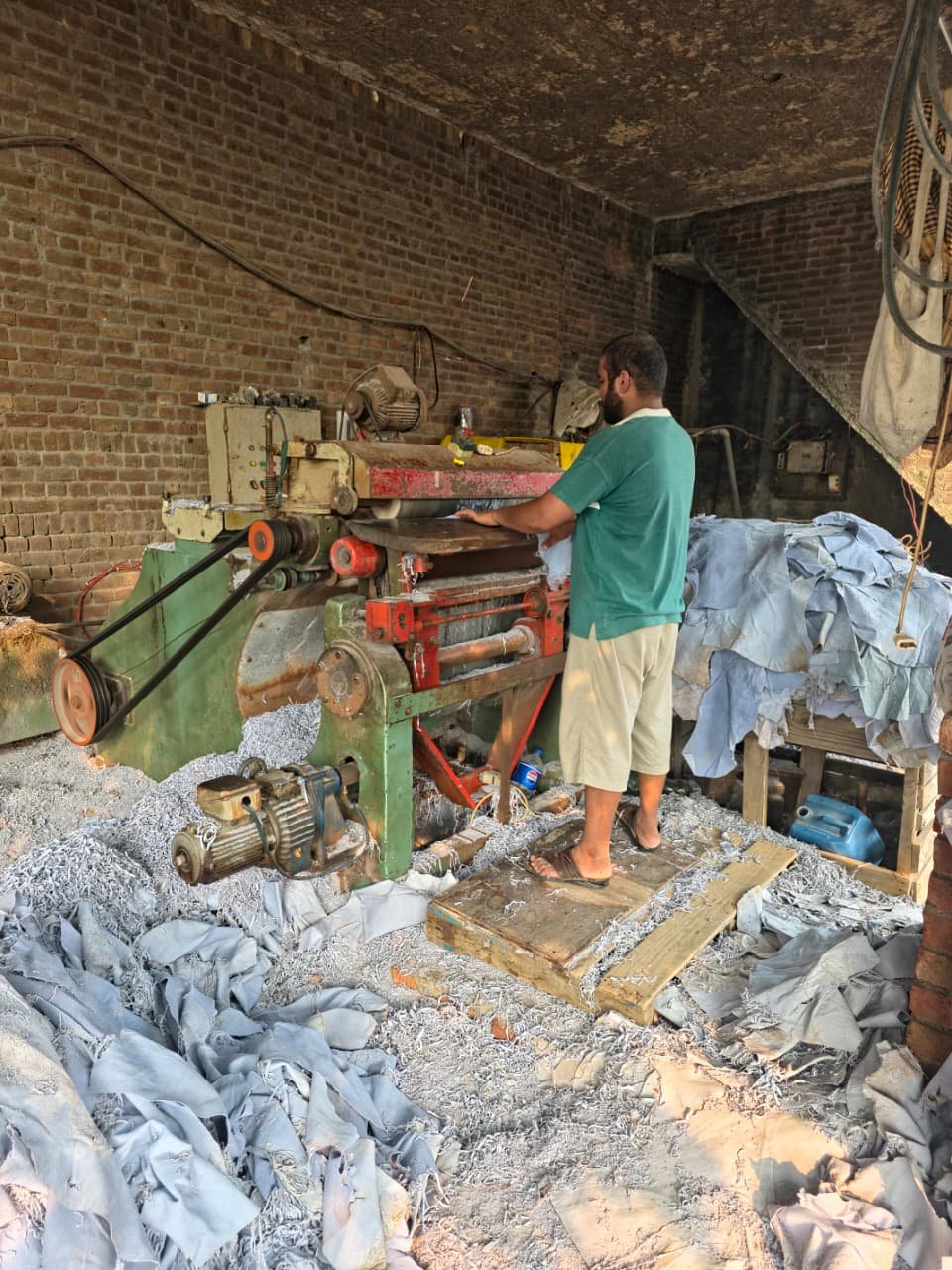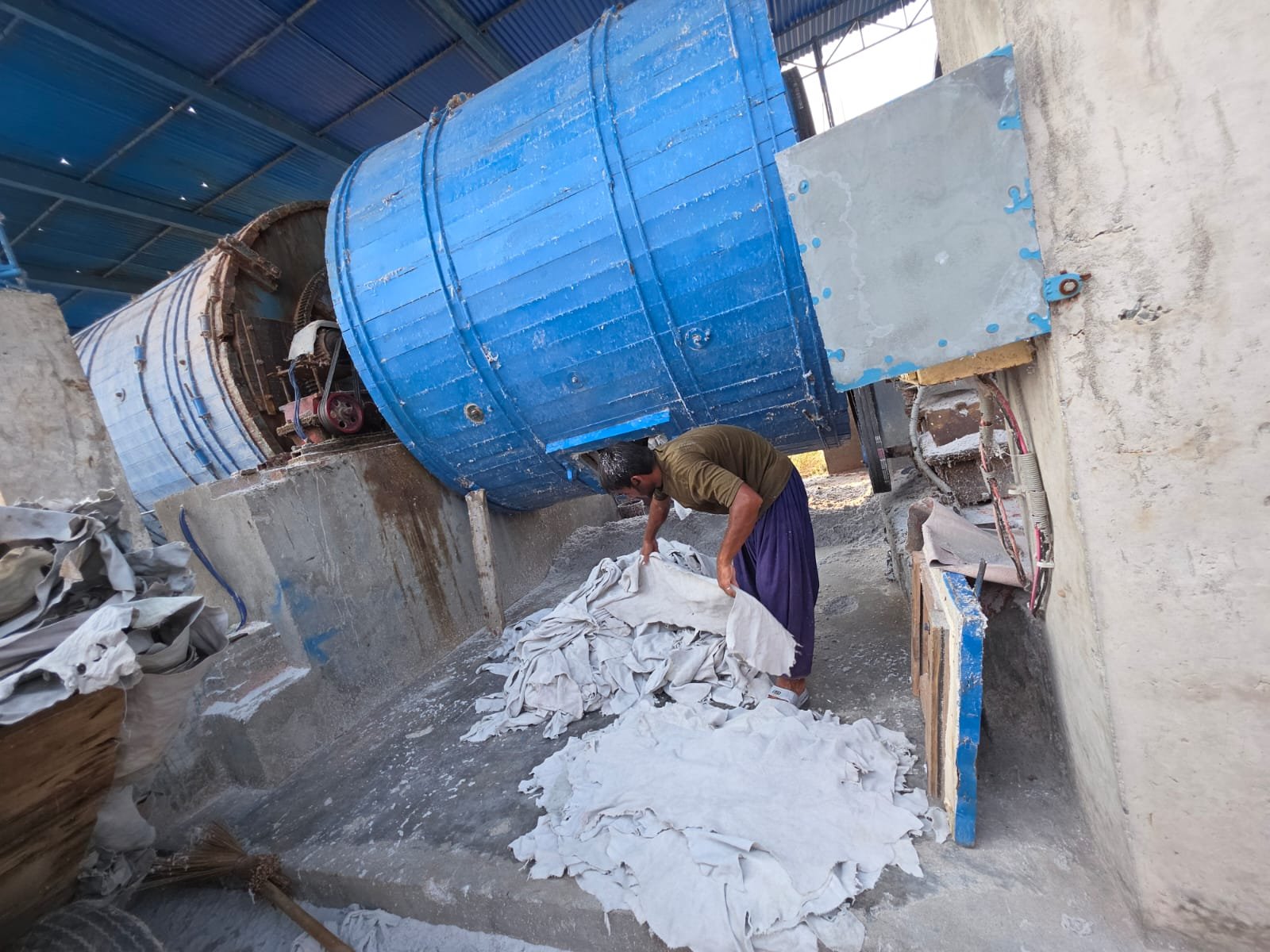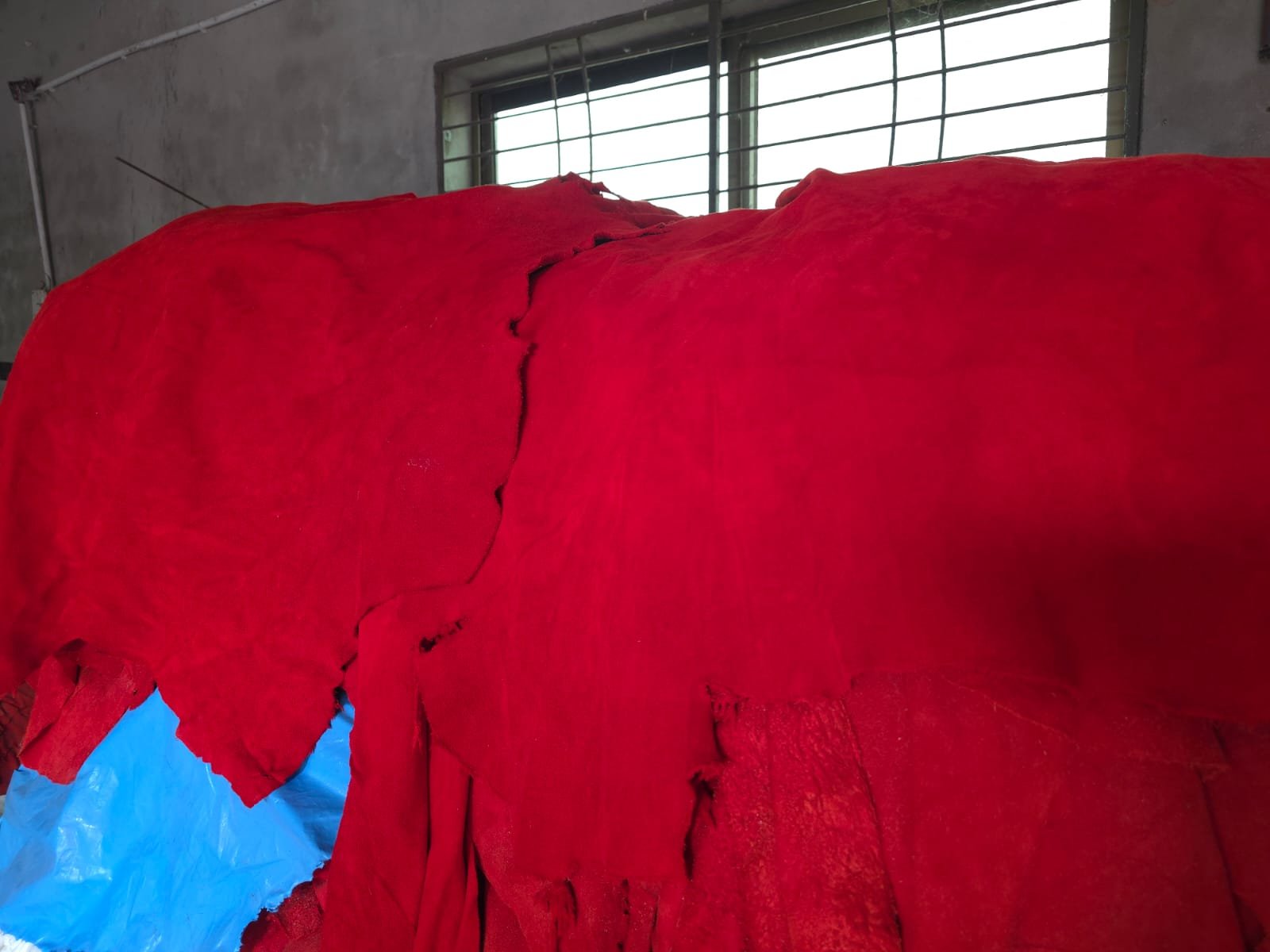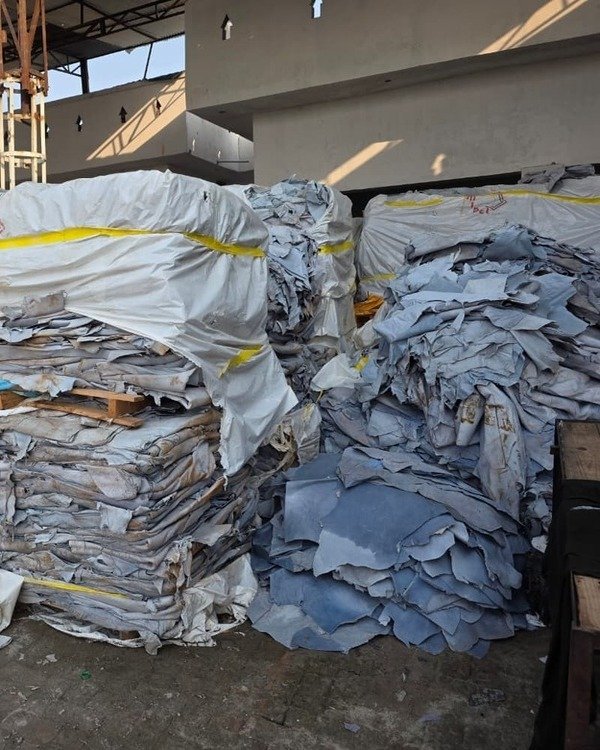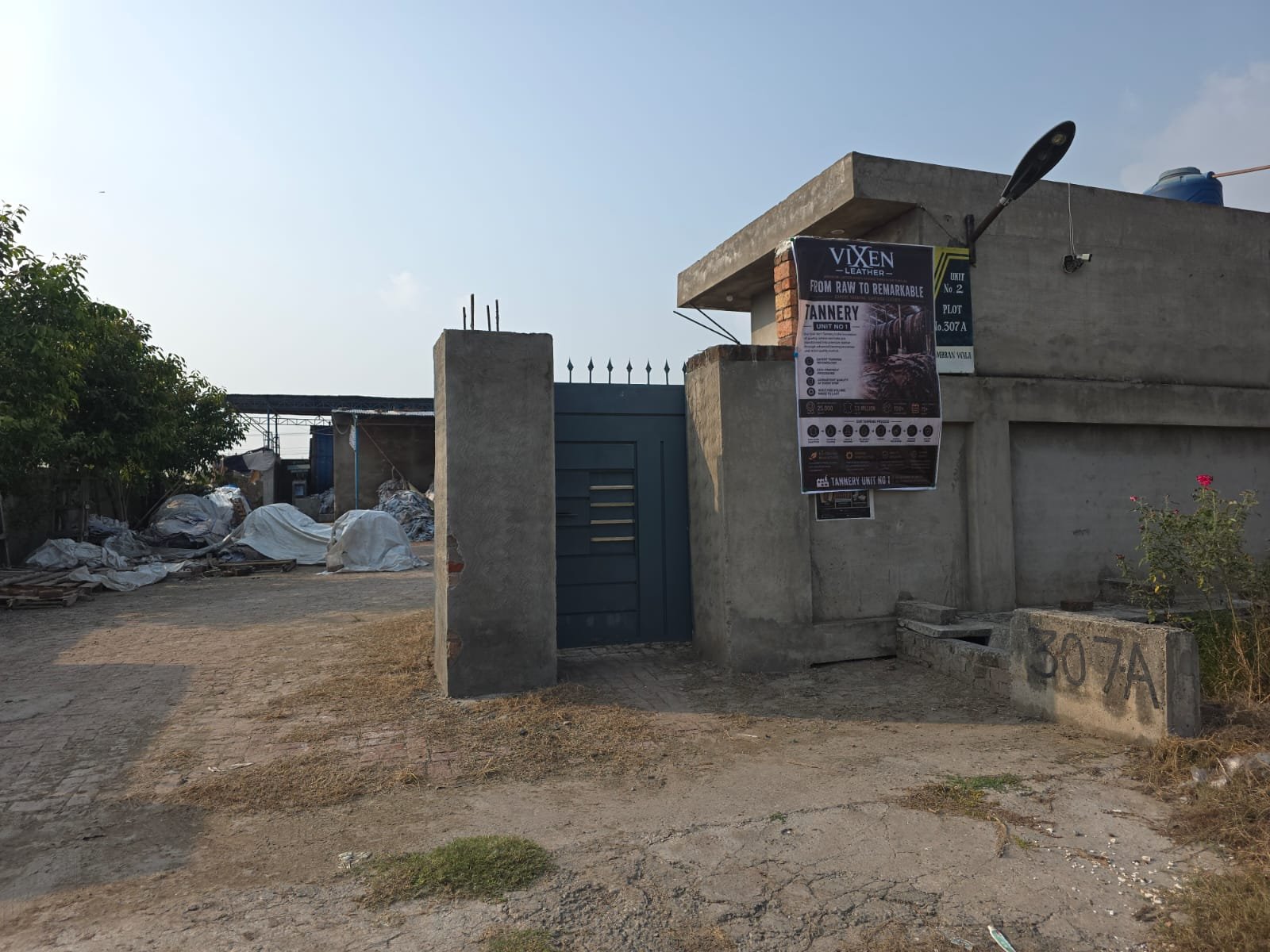
Leather Tannery in Pakistan
From Raw Hides to Finished Leather
At Vixen Leather, leather manufacturing begins long before a finished jacket, bag, glove, belt, or accessory reaches the production floor. Our tannery operations form an important part of our leather supply and manufacturing process, allowing us to work with leather from its early processing stages through to finished products.
Our tannery is focused on the processing, treatment, finishing, and inspection of hides and skins to produce leather suitable for different applications and product requirements.
From the initial preparation of hides to tanning, dyeing, drying, finishing, and quality inspection, each stage contributes to the final appearance, feel, strength, and performance of the leather.
Our Tannery Operations
Leather production involves several carefully controlled stages. The exact process can vary according to the type of hide or skin, the required leather characteristics, and the final product application.
Our tannery workflow includes stages such as:
- Raw hide and skin preparation
- Soaking and cleaning
- Liming and dehairing where applicable
- Fleshing
- Deliming and bating
- Pickling
- Tanning
- Splitting and shaving
- Dyeing
- Fatliquoring
- Drying
- Staking and softening
- Buffing where required
- Finishing
- Final inspection
Each stage is carried out with the intended leather application in mind.
Raw Hide & Skin Preparation
The quality of finished leather begins with the condition and selection of the raw material.
At the beginning of the process, hides and skins are prepared for tanning through cleaning and other preliminary operations. Unwanted materials are removed and the material is prepared for subsequent processing.
Proper preparation helps establish a more consistent base for the tanning process.
Why preparation matters
A well-managed preparation stage can help achieve:
- More consistent processing
- Better penetration of tanning agents
- Improved leather uniformity
- More consistent appearance
- Better suitability for subsequent finishing
Tanning Process
Tanning transforms prepared animal hide or skin into a stable leather material that can be processed and used for manufacturing.
Depending on the leather being produced, different tanning systems and processing methods may be used.
During tanning, the hide structure is treated to improve its stability and prepare it for further processing.
The tanning stage is one of the most important parts of leather production because it influences characteristics such as:
- Feel and softness
- Grain appearance
- Flexibility
- Thickness
- Durability
- Response to finishing
- Suitability for specific applications
The final characteristics depend on the raw material, tanning method, formulation, processing conditions, and finishing requirements.
Dyeing & Leather Development
After tanning and preparation, leather can undergo further processing to achieve the required colour, feel, thickness, and appearance.
Dyeing and related treatments help develop the visual and physical characteristics required for different leather applications.
Leather can be developed for different applications, including:
- Leather garments
- Leather bags
- Leather backpacks
- Leather gloves
- Leather belts
- Wallets and small leather goods
- Footwear components
- Other leather products
The appropriate treatment depends on the product specification and desired finish.
Drying, Softening & Finishing
After wet processing, the leather goes through additional mechanical and finishing operations.
Drying helps bring the leather to the required condition, while mechanical processes can be used to develop softness, handle, surface appearance, and other characteristics.
Finishing is where the surface appearance of leather can be further developed.
Depending on the required specification, finishing may influence:
- Surface appearance
- Colour depth
- Gloss or matte appearance
- Texture
- Handle
- Uniformity
- Visual character
Leather Finishing for Different Applications
Different products require different leather characteristics. A hide selected for a leather jacket may require different characteristics from leather intended for a handbag or work glove. For this reason, leather development should begin with the intended application in mind.
Leather for Garments
Garment leather may be developed with emphasis on softness, drape, flexibility, surface appearance, and comfort.
Leather for Gloves
Glove leather may require flexibility, tactile feel, durability, and suitability for the intended glove application.
Leather for Bags
Bags leather may require a balance of structure, durability, appearance, thickness, and handling characteristics.
Leather for Accessories
Belts, leather wallets, cardholders, and other accessories can require different thicknesses, finishes, and surface characteristics depending on the product design.
Leather Inspection & Quality Control
Quality inspection is an important part of the leather-processing workflow.
Finished leather is inspected for characteristics relevant to the agreed specification and intended application.
Depending on the product and specification, inspection may consider:
- Colour consistency
- Thickness
- Surface appearance
- Grain condition
- Softness and handle
- Visible defects
- Finish consistency
- Overall suitability for the intended product
Our goal is to identify inconsistencies before the leather moves into subsequent manufacturing stages.
From Tannery to Leather Manufacturing
One of the advantages of having tannery operations connected with a broader leather manufacturing business is the ability to understand leather from both the material and finished-product perspectives.
At Vixen Leather, leather is used across multiple manufacturing categories, including:
Leather Garments → Leather Bags → Backpacks → Gloves → Accessories
This connection helps us consider the requirements of the finished product when selecting and developing leather.
For example, leather intended for a structured bag may require different characteristics from leather intended for a soft leather jacket.
Leather Development for OEM & Private Label Products
For brands developing their own leather products, leather selection is an important part of product development.
We can work around agreed requirements for characteristics such as:
- Leather type
- Thickness
- Colour
- Texture
- Surface finish
- Softness
- Product application
- Construction requirements
Once the leather specification is established, it can be incorporated into the product development and manufacturing process.
This makes the tannery an important part of the overall OEM and private-label workflow.
Our Leather Manufacturing Approach
We believe leather quality should be considered throughout the production chain rather than only at the final manufacturing stage.
That means paying attention to:
Raw Material → Processing → Tanning → Dyeing → Drying → Finishing → Inspection → Cutting → Manufacturing → Final Product
Every stage contributes to the characteristics of the final leather product.
FAQ's
Can leather be developed for a specific product ?
Yes. Leather characteristics such as thickness, colour, softness, texture, and finish can be considered according to the intended product and agreed specification.
Can brands source leather products directly from Vixen Leather?
Vixen Leather’s manufacturing operation can support leather-product development across categories such as garments, bags, gloves, and accessories. Specific requirements can be discussed during product development.
Does Vixen Leather provide OEM and private-label manufacturing?
Yes, Vixen Leather can develop leather products around a buyer’s agreed specifications, designs, branding, and product requirements.
If you are looking for a leather manufacturing partner for garments, bags, gloves, backpacks, accessories, or other leather products, contact our team with your product requirements.