Custom & Wholesale Leather Jackets Manufacturer

A well-developed leather jacket depends on the relationship between its pattern, leather, fit, and construction. The shape of the shoulders, the movement of the sleeves, the placement of the front closure, and the way the lining sits inside the garment all influence the finished result.

Vixen Leather manufactures leather jackets for fashion brands, wholesalers, and private-label businesses. Based in Sialkot, Pakistan, we work with buyers to develop jacket designs around their specifications, from material selection and pattern development to component assembly, finishing, and production approval.

Projects can begin with an established technical pack, an existing jacket, reference photographs, or a new design concept. The development process is organized around the intended silhouette, material requirements, construction details, and commercial needs of each order.

Jacket Styles and Their Construction Requirements

We produce a range of leather jackets suited to fashion, lifestyle, and functional use. All styles can be adjusted for fit, materials, hardware, linings, and branding according to your specifications.

Different jacket silhouettes create different pattern and assembly requirements. The design determines which construction details need the most attention during development.

Men's Leather Jacket

Men’s leather jackets

Crafted for durability and style, available in classic, casual, and contemporary designs using cowhide, sheep, or goat leather for global retail and wholesale markets.

Women's Leather Jackets

Women’s leather jackets

Designed with a focus on fit, comfort, and fashion-forward styling, featuring soft leathers, tailored cuts, and premium finishing for modern fashion brands.

Varsity & casual leather jackets

Varsity & casual leather jackets

A blend of sporty and everyday wear, often combined with fabric sleeves or accents, making them ideal for lifestyle brands and youth fashion markets.

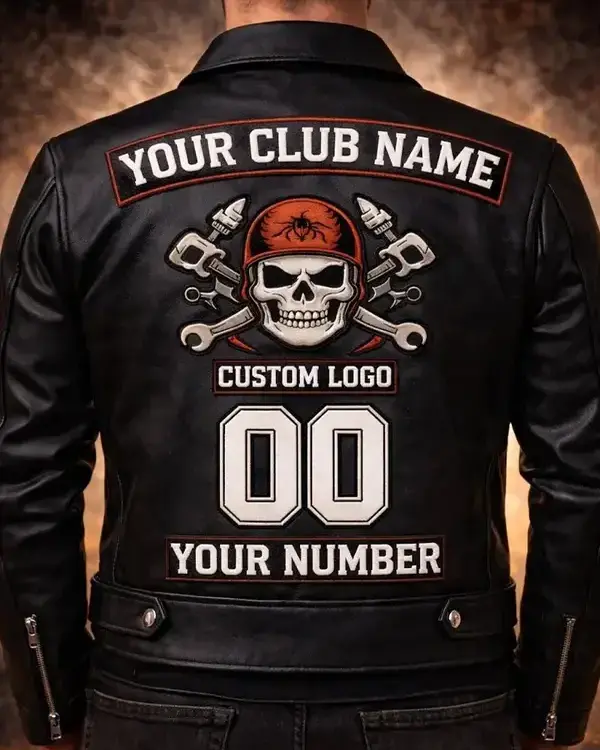
Motorcycle & biker Leather jacke

Motorcycle & biker Leather jackets

Biker-style jackets often combine shaped body panels, an angled or central front closure, fitted sleeves, collars or lapels, and several pockets. The relationship between the front panels and zipper placement is particularly important because it affects both the visual balance and the way the jacket closes. Sleeve articulation, shoulder fit, cuff openings, and panel seams also influence movement and comfort. Where a jacket is intended for actual motorcycle riding or protective use, the required protective features and applicable compliance standards must be specified and verified separately.

Bomber Leather Jacket

Bomber Leather jackets

Bomber jackets commonly use a shorter body, a defined waist, and a more relaxed upper silhouette. The relationship between the body panels, sleeves, collar, cuffs, and hem is central to achieving the intended proportions. Ribbed or alternative cuff and hem treatments, lining, pocket configuration, and front closure can be selected according to the approved design. The pattern must account for the interaction between the body length and the finished waistband or hem treatment.

Fashion & designer leather jackets

Fashion & designer leather jackets

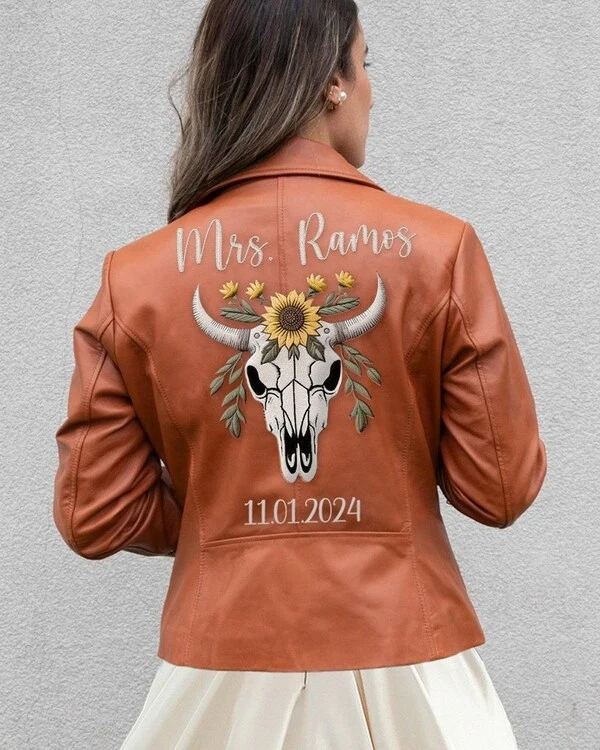
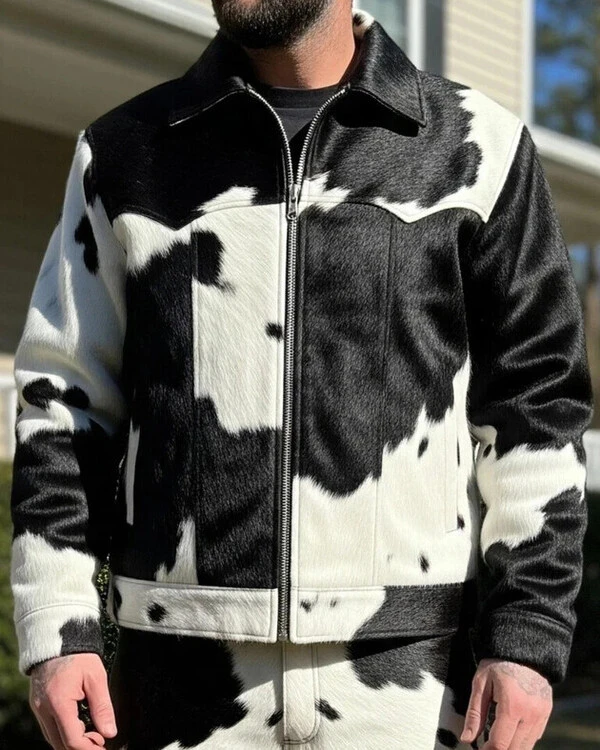
Custom designs can combine different panel arrangements, collars, closures, pocket configurations, stitching details, and branding elements. The development process begins by translating the design into a construction plan that can be sampled and evaluated. The available options depend on the selected materials, components, production requirements, and order specifications.

Jacket Construction Starts with the Pattern

The pattern determines how the front and back panels, sleeves, collar, cuffs, and other components come together. In leather jacket production, these pieces must be developed with the selected material in mind because thickness, flexibility, and surface characteristics can affect how the garment assembles and hangs.

Particular attention is needed where several construction elements meet, including the shoulder and sleeve junction, armhole, collar stand, front facing, waistband, and pocket openings. Small differences in pattern shape or seam allowance can affect alignment and the finished appearance.

Pattern development considers the intended fit, body length, chest ease, shoulder width, sleeve shape, and the proportions of the design. For styles with distinctive panel lines, decorative seams, or shaped sections, the pattern must preserve the intended visual balance while remaining suitable for production.

Private Label Black Leather Jacket

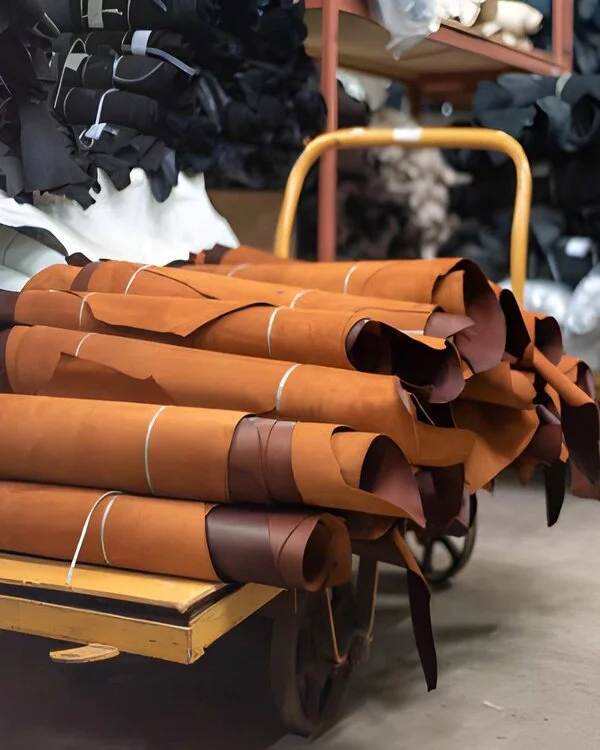
Leather Selection for Jacket Designs

The leather used for a jacket influences its weight, drape, surface appearance, and handling during assembly. Material selection should match the intended style rather than treating every jacket as if it requires the same characteristics.

Quality Leather For Leather jackets in Our Factory

Material thickness and body

A structured jacket may require a leather that holds its shape, while a softer design may depend on greater flexibility and a more fluid drape. Thickness also affects seam bulk, folding, zipper installation, and the way multiple panels meet.

Surface finish and appearance

The requested finish may be smooth, textured, matte, glossy, or distressed, depending on the design and available materials. The approved reference should establish the expected appearance, including acceptable natural grain variation and colour differences.

Panel selection and visual consistency

Leather is a natural material, so surface markings, grain patterns, and thickness may vary across a hide. Cutting plans should take these differences into account, particularly on prominent front panels, sleeves, collars, and other visible sections.

For designs requiring a more consistent appearance between paired panels, material selection and panel placement deserve attention before cutting begins.

Sleeves, Shoulders, and Freedom of Movement

Sleeve construction is one of the most important aspects of jacket development. The relationship between shoulder width, armhole shape, sleeve cap, and sleeve length determines how the jacket sits on the body and how it moves when the wearer raises or bends an arm.

A pattern intended for a slim silhouette may need a different balance of ease and sleeve shape from a relaxed jacket. Leather thickness and seam construction can further influence how the sleeve bends and how much bulk develops around the armhole.

During sample review, the fit should be assessed in the intended wearing position. Depending on the style, this may include checking shoulder alignment, sleeve rotation, elbow movement, cuff position, and the distribution of tension across the back and chest.

Zippers, Pockets, Collars, and Hardware

Jacket components contribute to both function and appearance. Their placement and construction should be established before production rather than treated as finishing details added at the end.

Front closures: Central, angled, and other closure arrangements require accurate alignment between the zipper, facing, and adjoining panels. The choice of zipper, puller, and fastening components should suit the design and material thickness.

Pockets: Welt, patch, flap, zippered, and internal pockets require different construction methods. Their dimensions, opening positions, reinforcement, and accessibility should be considered in relation to the jacket’s panel layout.

Collars and lapels: Collar shape and dimensions affect the neckline and the overall character of the jacket. The pattern must account for the thickness and folding behaviour of the material, as well as the intended shape when worn.

Cuffs and hems: Cuff openings, zipper details, tabs, waistband treatments, and hem finishing influence the proportions of the jacket and the way its edges sit.

Branding and hardware: Labels, logo details, snaps, buckles, and custom hardware can be incorporated according to the approved specification and production feasibility.

Lining and Interior Construction

The inside of a leather jacket affects its comfort, finish, and assembly. Lining selection should account for the outer leather, the intended use of the jacket, the desired feel, and the construction of its pockets and internal components.

Lining patterns must be compatible with the outer shell. Differences in dimensions or ease can cause the lining to pull, bunch, or affect the way the jacket hangs. Sleeve lining, body lining, internal pockets, facings, and seam finishes should therefore be considered as parts of the same garment rather than independent components.

If the design includes additional internal layers or insulation, their volume and handling must be accounted for during development.

Custom Leather Jacket Manufacturing For Private Labels

Private-label projects often require more than changing the colour of an existing style. Buyers may need specific measurements, a revised silhouette, custom pocket layouts, different materials, branded components, or a construction approach developed around their own design.

Vixen Leather can review project requirements for:

  • Custom jacket patterns and agreed measurement specifications.
  • Leather type, thickness, colour, and surface finish.
  • Collar, sleeve, cuff, hem, and pocket configurations.
  • Zipper styles, hardware, lining, and internal components.
  • Stitching details and panel arrangements.
  • Brand labels and approved logo applications.
  • Packaging and product presentation requirements.

The scope of customization is confirmed for each design, including component availability and production feasibility.

Custom Leather Jacket By Vixen Leather

Sample Development and Fit Approval

A sample allows the buyer to evaluate the actual jacket rather than relying solely on drawings or photographs. It brings the pattern, selected leather, lining, closures, pockets, and finishing details together in one product.

During sample review, attention may be given to:

  • Overall silhouette and finished measurements.
  • Shoulder alignment, chest ease, and sleeve movement.
  • Front closure alignment and zipper operation.
  • Collar shape, pocket placement, and panel symmetry.
  • Leather appearance and consistency with the approved material reference.
  • Lining fit and internal finishing.
  • Stitching, hardware, branding, and edge finishing.

Required changes should be recorded against the relevant measurements, pattern sections, or construction details. Once the sample is approved, the confirmed specifications provide the reference for bulk manufacturing.

Production Quality and Inspection

Leather jackets contain multiple joined components, and defects can appear at different stages of assembly. Inspection should therefore consider the construction as well as the finished appearance.

Depending on the buyer’s specification, checks may cover leather condition, panel dimensions, seam alignment, stitching, zipper function, pocket construction, lining, hardware attachment, measurements, and visible finishing defects.

Repeat production requires particular attention to the approved sample and documented specifications. Where the jacket is intended for a regulated or protective application, any required performance testing or certification must be established for the specific product and market.

Leather Jackets Quality Check

Custom Leather Jacket designs By Vixen Leather

Over the years, we have successfully manufactured a wide range of premium quality leather jackets for international clients, including custom designs for fashion brands, private-label collections, and functional outerwear. Our previous collections highlight versatility in styles, high-quality craftsmanship, and attention to detail, from classic bomber and motorcycle jackets to trendy fashion and insulated winter jackets to custom leather vests. Each piece reflects our commitment to superior materials, precision stitching, and consistent finishing, making us a trusted partner for repeat orders and large-scale production.

Planning Your Leather Jacket Order

An initial project review is more productive when the intended design and commercial requirements are clearly defined. Buyers can provide a completed technical pack or begin with reference images, an existing garment, or a design concept.

Useful information includes:

  • Jacket style and intended use.
  • Reference photographs, drawings, or technical specifications.
  • Size range and measurement chart.
  • Preferred leather, colour, thickness, and finish.
  • Lining, zipper, pocket, and hardware requirements.
  • Branding and packaging specifications.
  • Estimated quantities by style, size, and colour.
  • Sampling requirements and target delivery schedule.

Sample charges, minimum order quantities, production timelines, and shipping terms are confirmed according to the project scope.

Develop Your Leather Jacket Collection with Vixen Leather

Whether you are refining an established jacket design or developing a new private-label style, the quality of the result depends on how well the material, pattern, components, and construction work together.

Share your technical pack, reference jacket, or design brief with Vixen Leather to discuss material selection, construction options, sample development, and production requirements.

Contact Vixen Leather to discuss your leather jacket project.